
Screen enclosure glare
A pool cage can bounce light back toward seating areas or neighboring homes. Fixture direction and output matter as much as fixture count.
Pool and patio lighting around Sarasota needs to support evening use without reflecting harshly off screens, water, pavers, or glass doors. The best plan usually blends low, warm task lighting with subtle accents so steps, seating, grill areas, and transitions are visible while the space still feels relaxed.
Pool cages, wet pavers, outdoor kitchens, lanai columns, coastal humidity, and nearby planting beds all affect fixture choice and placement. A professional can review the outdoor living area, separate landscape lighting from pool electrical needs, and confirm what work is appropriate for the property.
Describe the area and concern without gathering measurements first.
Final scope, products, warranty terms, licensing, insurance, timing, and price are confirmed directly before work begins.
Lighting should improve safety and evening use without harsh glare.
A pool cage can bounce light back toward seating areas or neighboring homes. Fixture direction and output matter as much as fixture count.
Steps, coping edges, and wet pavers need gentle visibility. Overly bright fixtures can create glare and make wet surfaces harder to read.
Weekend entertaining, seasonal occupancy, and routine evening use may call for different zones or timer settings instead of one all-on circuit.
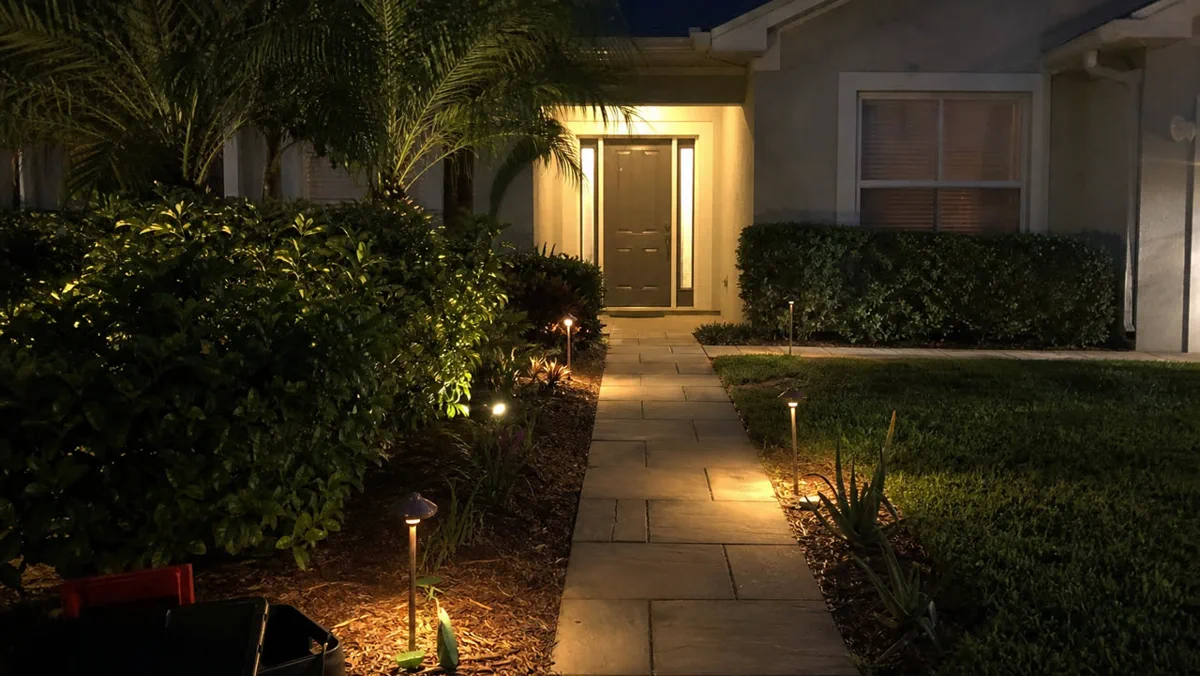
These examples show the type of placement, fixture detail, and finished-lighting result that can be discussed during a callback. Actual products and scope are confirmed after property review.
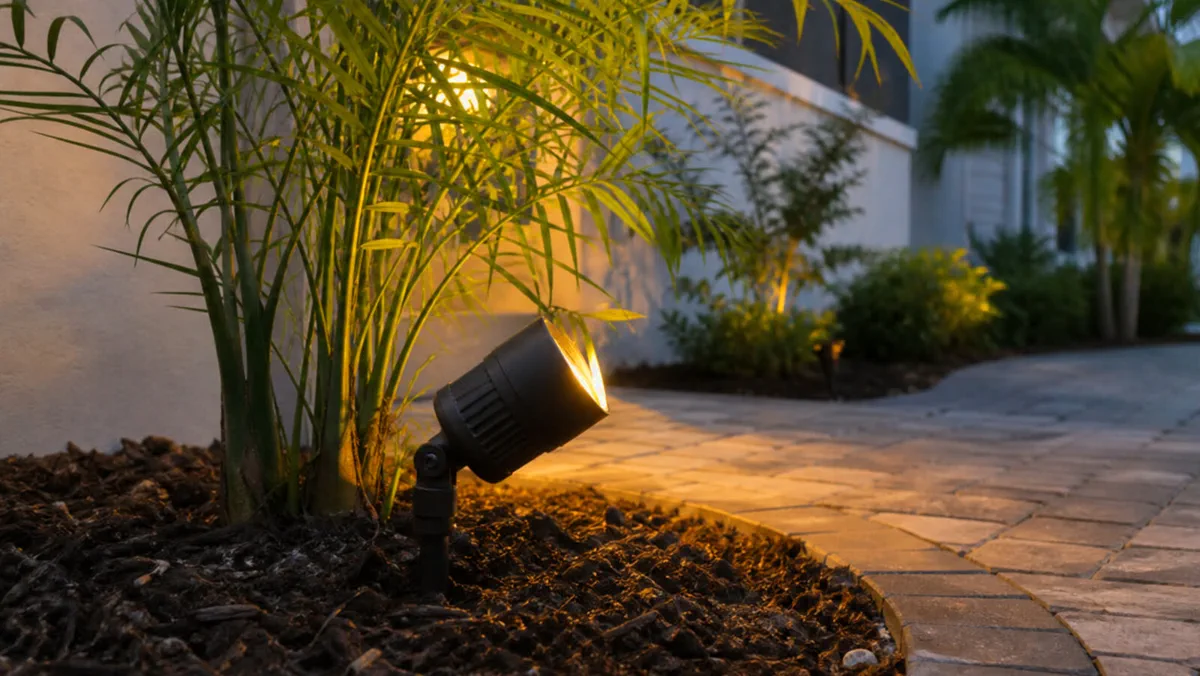
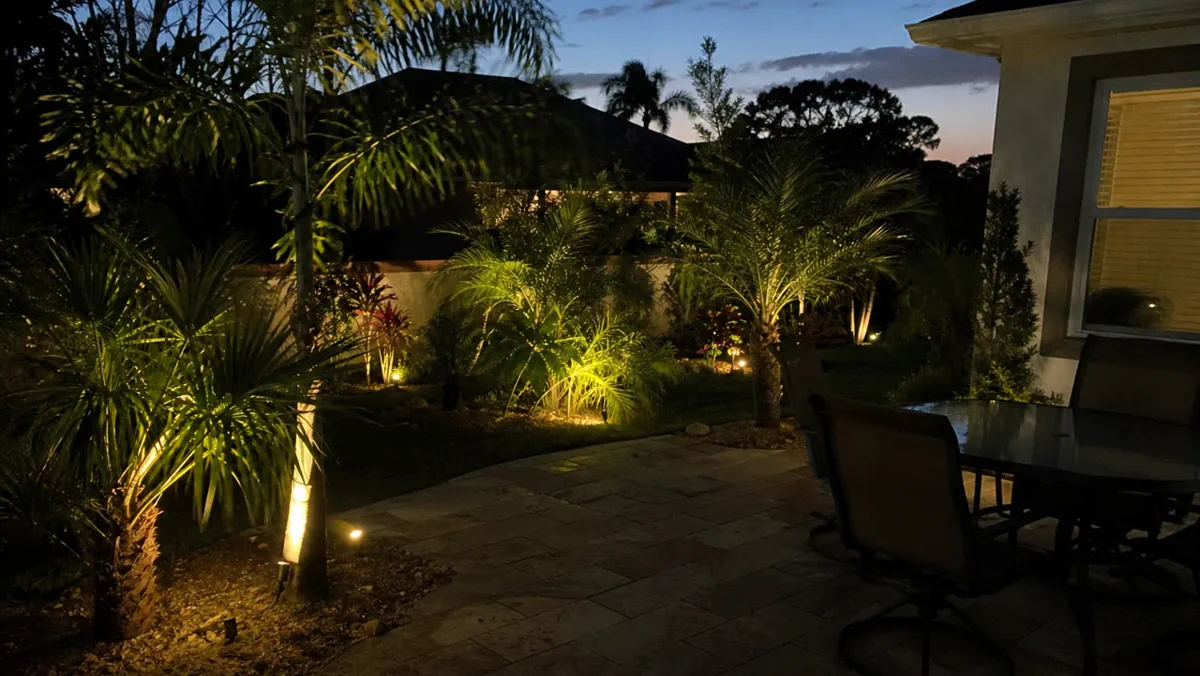
Sometimes exterior-rated low-voltage lighting can be planned around a lanai or cage, but attachment points, wiring, and code-sensitive pool electrical work must be reviewed by the appropriate professional.
Use shielded fixtures, lower output, warmer color temperature, and aiming that lights surfaces indirectly instead of pointing across the pool or into seating areas.
Possibly, but available capacity, wire runs, voltage drop, and zones need to be checked first.
Explain how the patio is used, where the dark or glaring areas are, whether a pool cage is present, and whether any existing fixtures or controls are unreliable.
If the lighting is too dark, too harsh, unreliable, or outdated, send a short note about the area involved and the result you want. A lighting professional can help narrow the practical options and confirm the next step.