
Symptom-based troubleshooting
Whether the issue started after rain, landscaping work, a storm, or a timer change can help narrow the likely cause before parts are replaced.
Outdoor lighting repair is usually a process of narrowing down symptoms: one dark fixture, a full zone out, flickering after rain, a tripped transformer, damaged wire, or fixtures that no longer stay aimed. Sarasota humidity, irrigation overspray, ants, landscaping work, and storms can all create problems that look similar from the homeowner side.
A repair visit may involve checking the transformer, timer, photocell, wire connections, fixture sockets, LED lamps, voltage drop, and damaged burial points. Final repair scope and pricing should be confirmed after the system is inspected, because the visible outage may be downstream of the real fault.
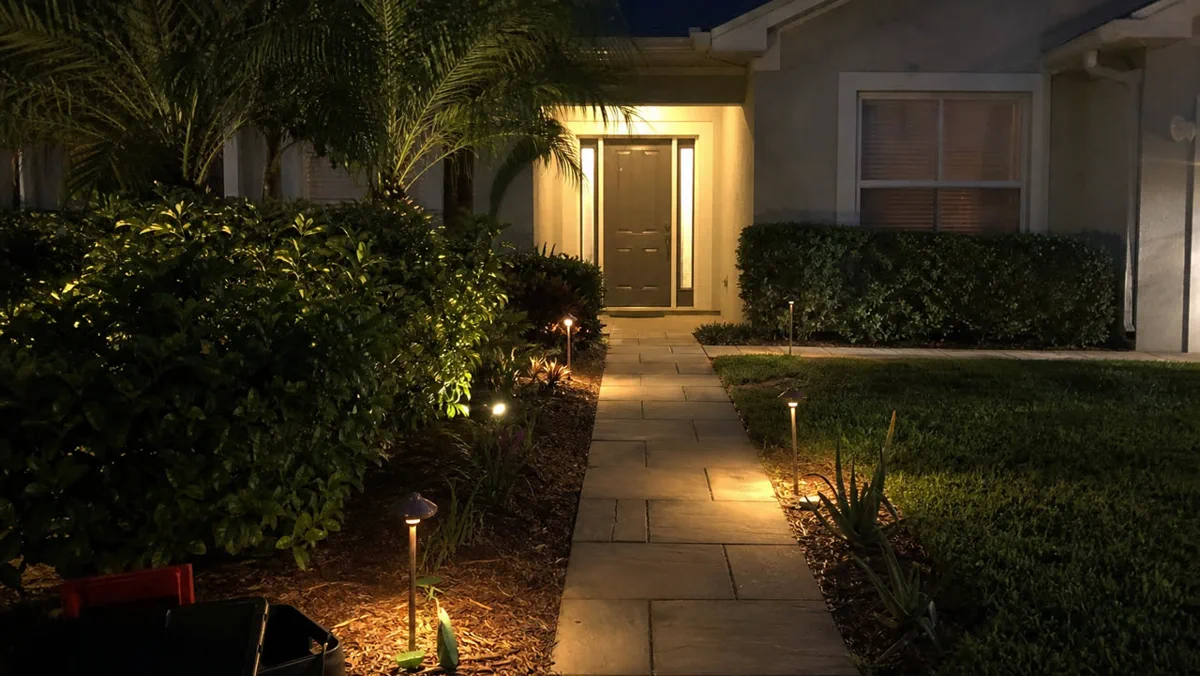
Describe the area and concern without gathering measurements first.
Final scope, products, warranty terms, licensing, insurance, timing, and price are confirmed directly before work begins.
Lighting should improve safety and evening use without harsh glare.
Whether the issue started after rain, landscaping work, a storm, or a timer change can help narrow the likely cause before parts are replaced.
Low-voltage systems are exposed to wet soil and irrigation. Corroded or loose connections can cause intermittent outages that come and go.
If fixtures are badly corroded, wire runs are compromised, or the transformer is undersized, a targeted replacement may be more reliable than repeated small repairs.
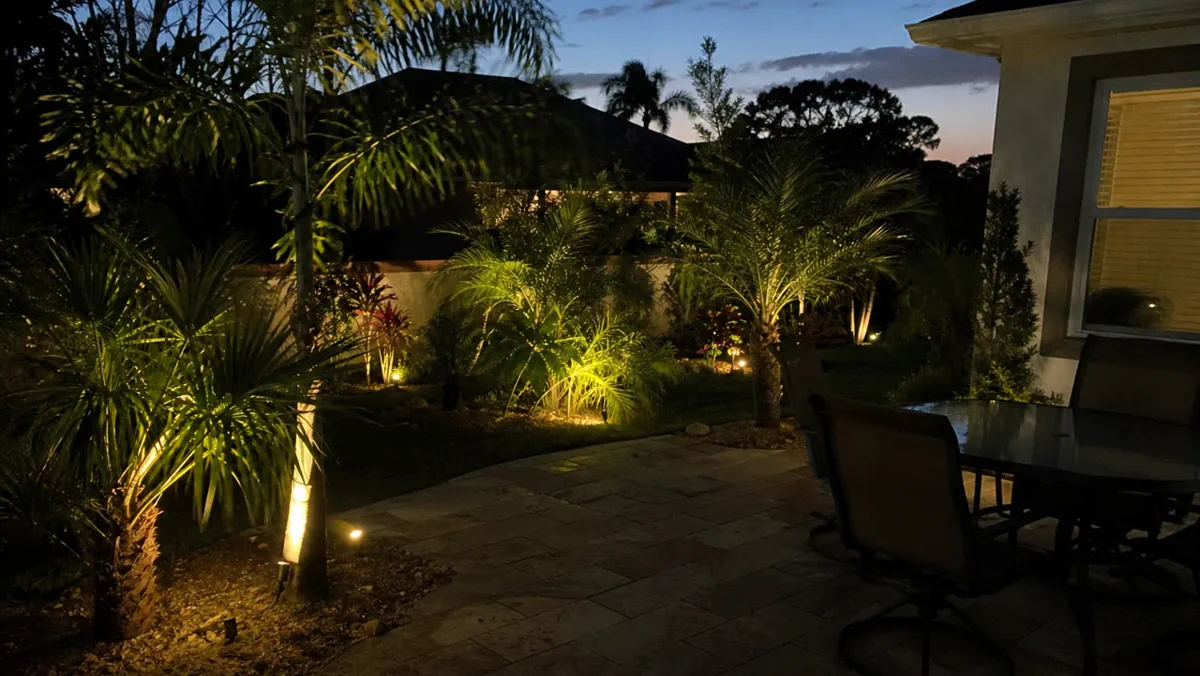
These examples show the type of placement, fixture detail, and finished-lighting result that can be discussed during a callback. Actual products and scope are confirmed after property review.
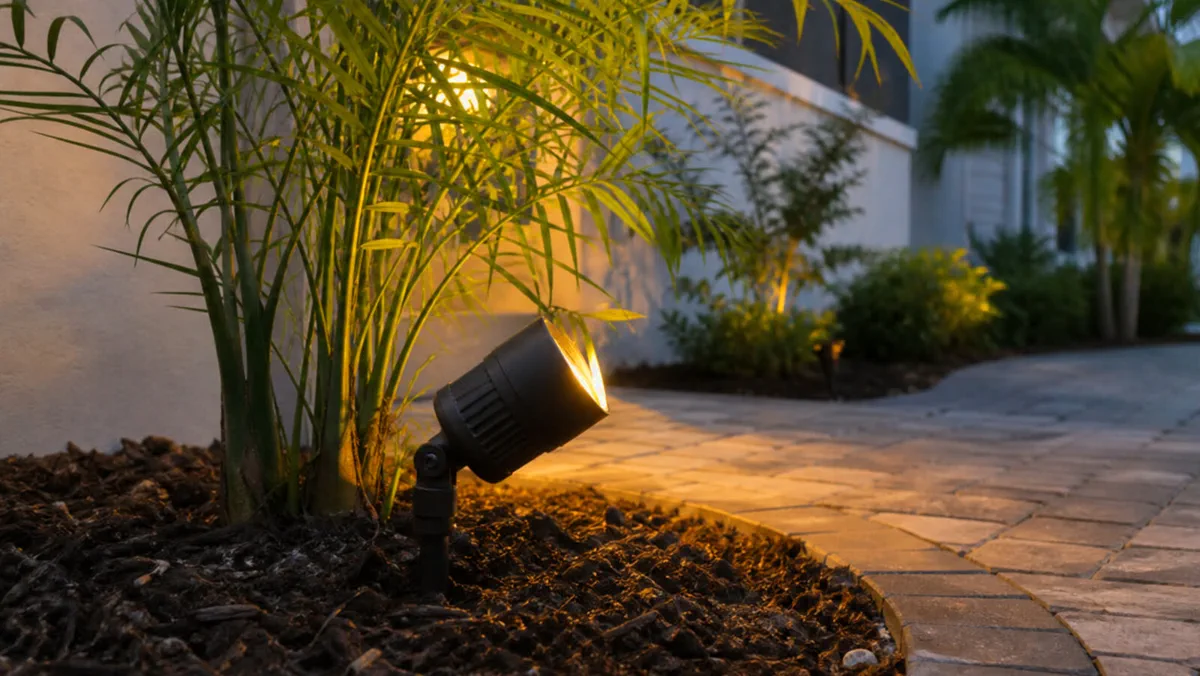
Moisture can expose weak connections, damaged wire, failing lamps, or transformer issues. The circuit needs to be checked safely before assuming the fixture itself is bad.
Depending on the wiring and fault, one damaged area can affect multiple lights. A technician can test the run and isolate the failed point.
Yes. LEDs last longer than older lamps, but connections, lenses, stakes, timers, and transformers still need occasional attention.
Mention which lights are out, whether the issue is constant or intermittent, what changed recently, and whether rain, irrigation, or landscaping work seems connected.
If the lighting is too dark, too harsh, unreliable, or outdated, send a short note about the area involved and the result you want. A lighting professional can help narrow the practical options and confirm the next step.