
Aiming and plant growth
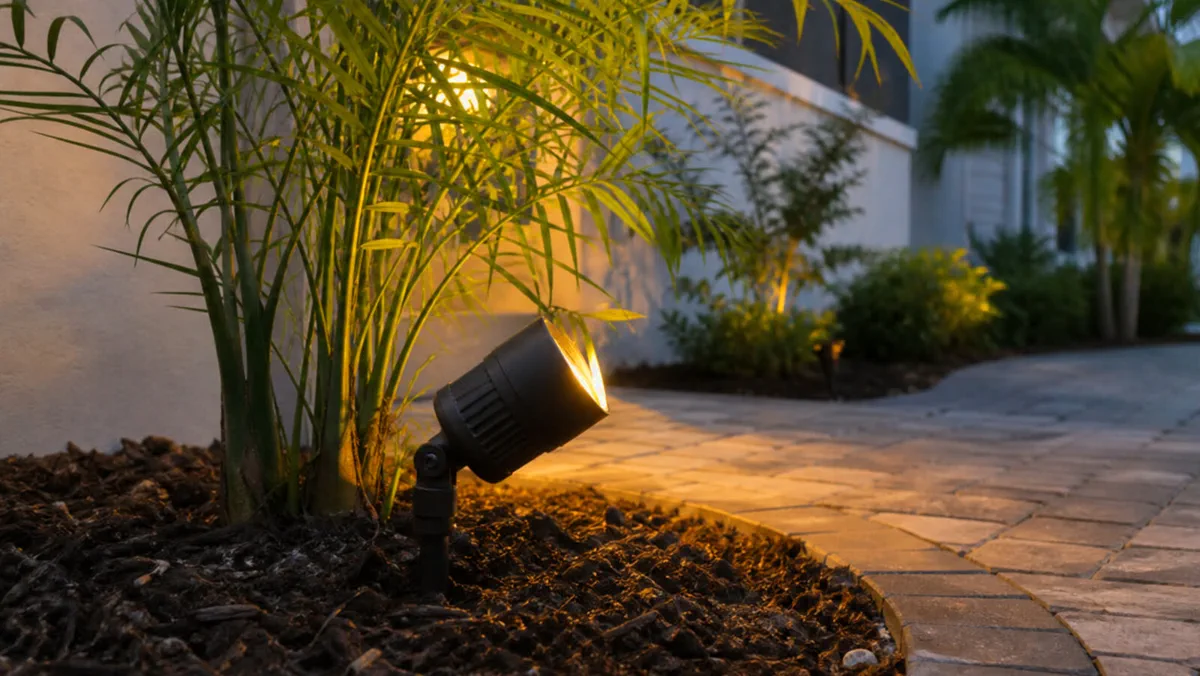
A fixture that looked right at installation can disappear behind a shrub or shine into a walkway as landscaping changes.
Outdoor lighting maintenance keeps a system looking intentional as plants grow, fixtures shift, lenses get dirty, timers drift, and irrigation or storms affect connections. In Sarasota and Bradenton, humidity, salt air, fast-growing landscaping, and seasonal occupancy make maintenance especially useful for keeping paths, entries, and outdoor living areas reliable.
Maintenance can include re-aiming fixtures, cleaning lenses, checking lamps or integrated LEDs, reviewing transformer settings, tightening connections, inspecting damaged wire, and noting places where plants now block the intended beam. Final recommendations depend on the age and condition of the system.
Describe the area and concern without gathering measurements first.
Final scope, products, warranty terms, licensing, insurance, timing, and price are confirmed directly before work begins.
Lighting should improve safety and evening use without harsh glare.
A fixture that looked right at installation can disappear behind a shrub or shine into a walkway as landscaping changes.
Seasonal sunset changes, power interruptions, and older timers can make a good system run at the wrong time.
After heavy rain or yard work, maintenance can catch loose fixtures, wet connections, and damaged wire before the whole run fails.
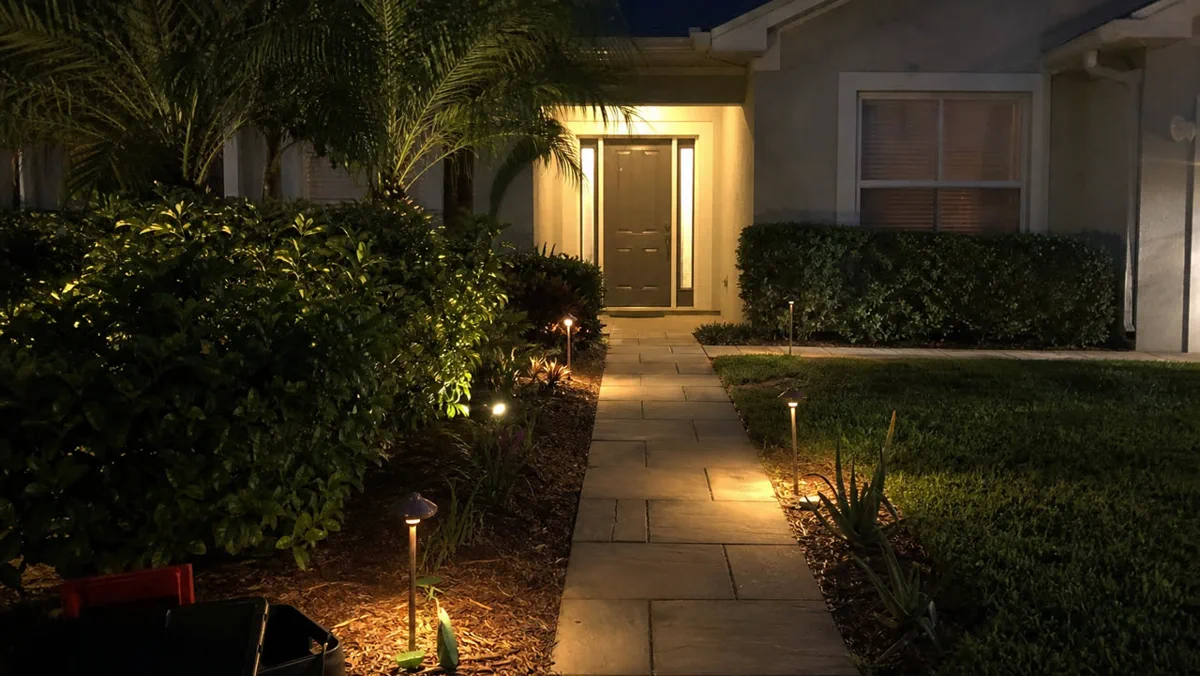
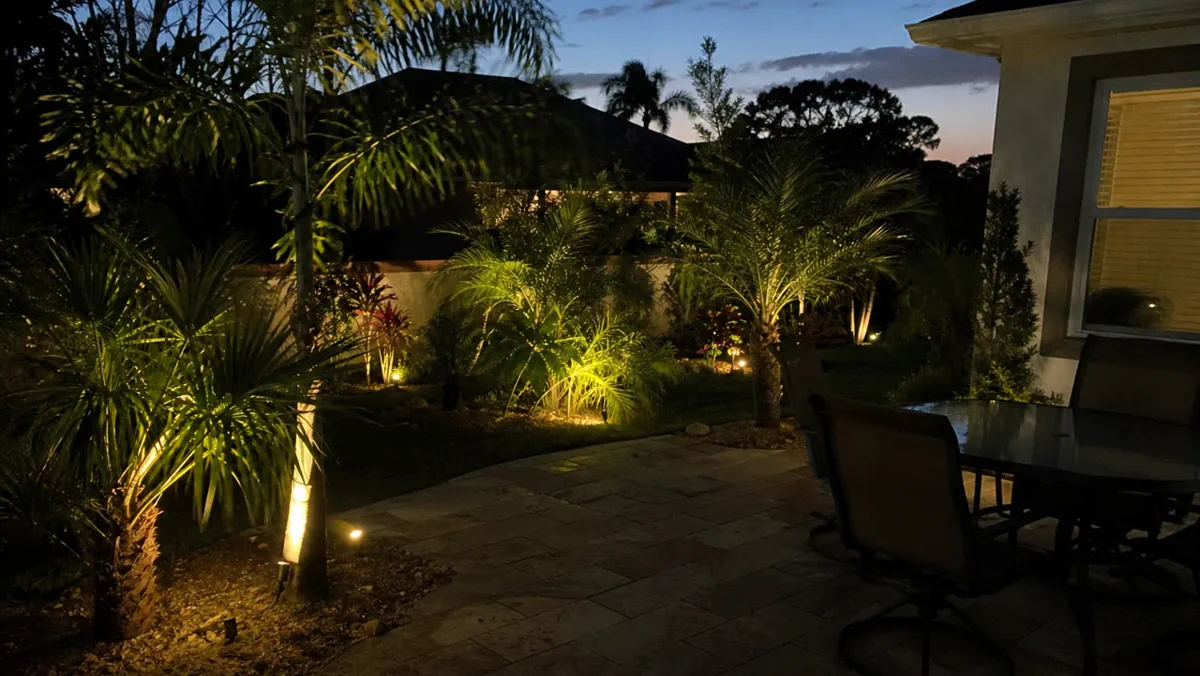
These examples show the type of placement, fixture detail, and finished-lighting result that can be discussed during a callback. Actual products and scope are confirmed after property review.
Many systems benefit from at least a seasonal check, especially after storms, landscape trimming, irrigation changes, or power issues.
It may include aiming, lens cleaning, lamp or LED checks, transformer settings, connection checks, and notes on damaged or blocked fixtures.
Often yes. Cleaning, re-aiming, connection repair, and timer adjustments can make a system look better before larger upgrades are considered.
Mention dark areas, flickering, wrong run times, fixtures hit by maintenance equipment, and plants that now block the beam.
If the lighting is too dark, too harsh, unreliable, or outdated, send a short note about the area involved and the result you want. A lighting professional can help narrow the practical options and confirm the next step.