
Spacing without glare
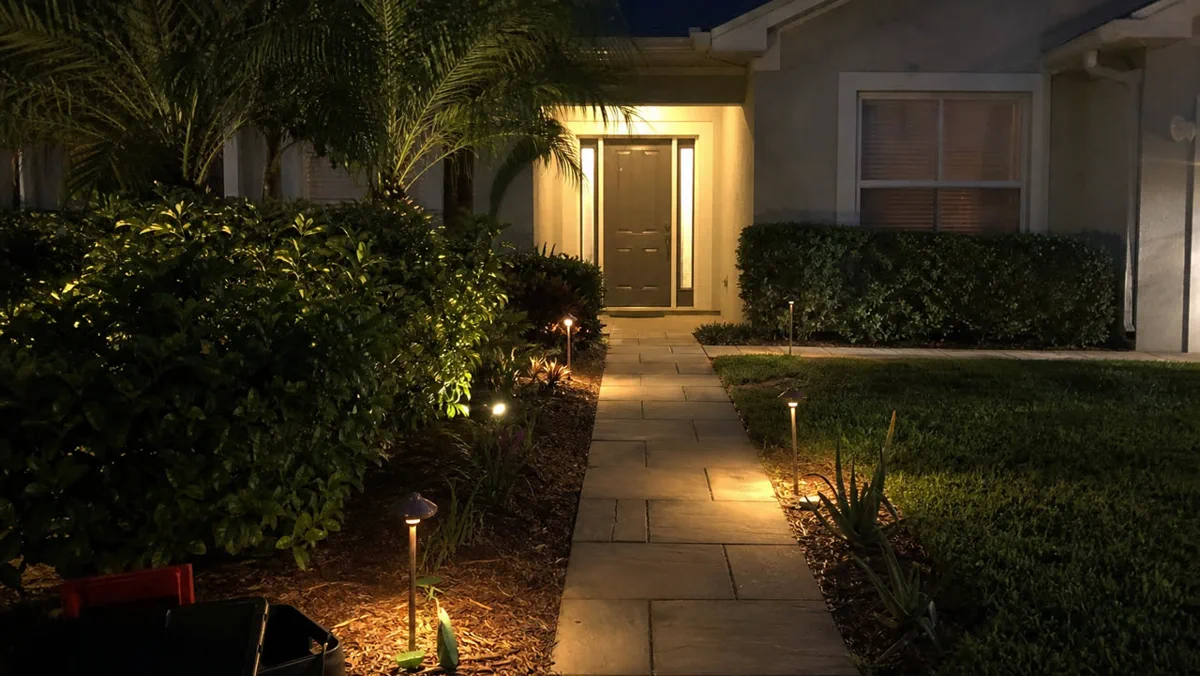
Path lights usually work best when staggered and aimed toward walking surfaces, not into eyes. The exact spacing depends on fixture output, path width, and planting density.
Pathway lighting should make a route feel safe without creating a runway of bright dots. Sarasota homes often combine paver walks, shell paths, tropical planting beds, and steps that disappear in shadow after sunset. The right plan uses lower, warmer, carefully spaced light so guests can see the walking surface while the landscaping still feels natural.
A pathway review should consider fixture height, beam spread, glare from seated areas, irrigation heads, edging tools, and how the path connects to entries, driveways, pool decks, or side yards. A professional can help decide whether existing fixtures can be adjusted or whether spacing, wire runs, or controls need an update.
Describe the area and concern without gathering measurements first.
Final scope, products, warranty terms, licensing, insurance, timing, and price are confirmed directly before work begins.
Lighting should improve safety and evening use without harsh glare.
Path lights usually work best when staggered and aimed toward walking surfaces, not into eyes. The exact spacing depends on fixture output, path width, and planting density.
Fixtures near pavers, shell paths, and maintained beds need stable placement and protected wiring so routine yard work does not keep knocking them out of alignment.
Steps, grade changes, side gates, and entry transitions deserve attention before decorative accents. A balanced plan lights the route first, then adds visual depth.
These examples show the type of placement, fixture detail, and finished-lighting result that can be discussed during a callback. Actual products and scope are confirmed after property review.
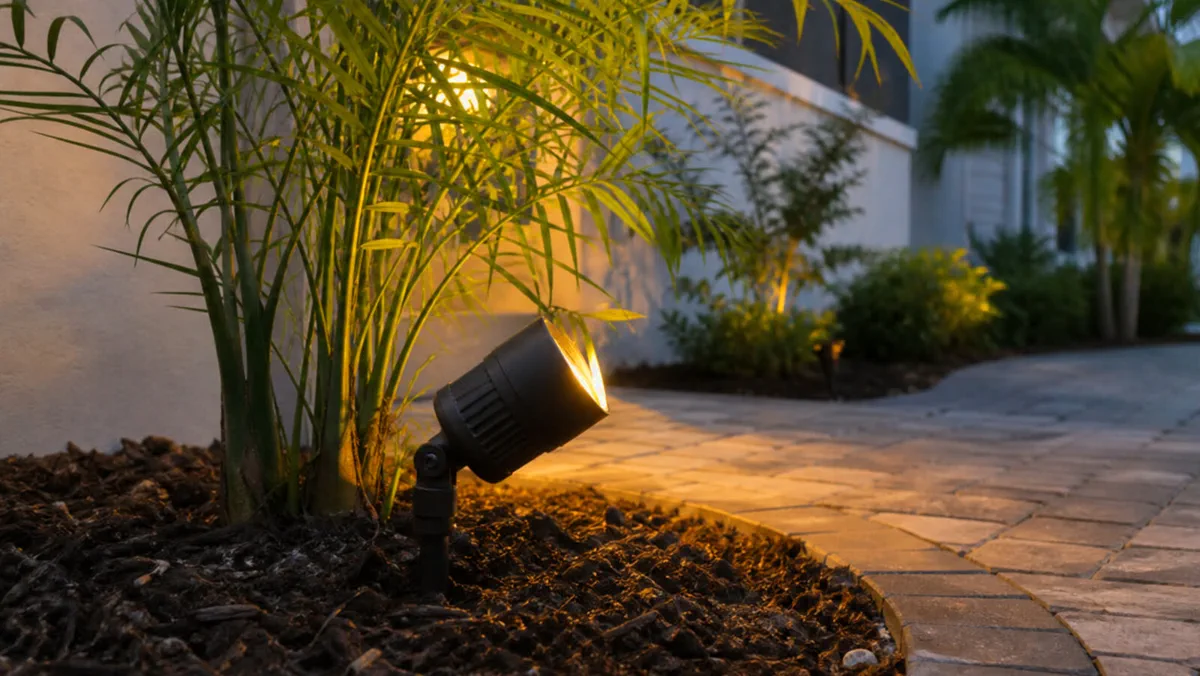
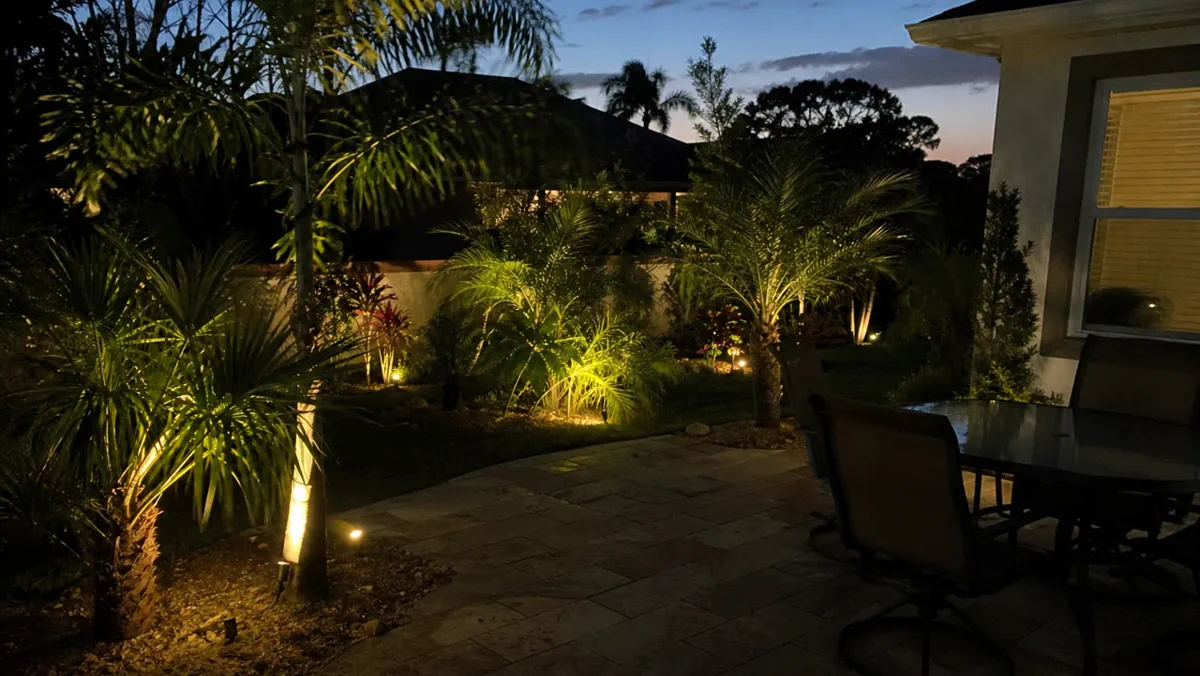
That usually comes from fixtures placed too evenly, too brightly, or too close together. Warmer light, staggered placement, and shielded fixtures can make a path safer without the runway effect.
Often yes. Loose stakes, corroded connections, damaged wire, or failing lamps can sometimes be corrected without replacing the whole run.
They can be, but irrigation spray and wet soil affect fixture life and connections. Placement and component choice should account for regular watering.
Describe where people walk after dark, where lights are too bright or too dim, and whether fixtures are being hit by sprinklers, mowers, or foot traffic.
If the lighting is too dark, too harsh, unreliable, or outdated, send a short note about the area involved and the result you want. A lighting professional can help narrow the practical options and confirm the next step.